
"endangered species"
200 article(s) found

Soft and rich Rwandan Chimaire Estate coffee flavor Introduction
Rwanda is a landlocked country located south of the equator in central and eastern Africa. Tanzania borders Tanzania in the east, Burundi in the south, Zaire in the west and northwest, Uganda in the north, covering an area of 26338 square kilometers, ranking 149th among countries in the world and close to Burundi, Macedonia, Haiti and Albania. Rwanda is located in central and eastern Africa, bordering the Democratic Republic of Congo in the west,

Sweet taste Indonesian civet coffee flavor taste manor boutique coffee beans introduction
The cat has a special ability of orientation, which is guided by the incense secreted by the cystic incense glands. When it is active, all the prominent objects along the way, such as tree trunks, stakes and stone edges in the habitat, will often be foamed with the secretion of incense glands, commonly known as wiping piles, which acts as a marker in the field. it also plays a liaison role for other similar species. When it gets food or encounters

Introduction of Ethiopian Coffee Flavor and Fine Coffee
Ethiopian coffee beans grow in close to the natural environment, after years of planting under the same growth conditions, Ethiopian coffee beans have gradually adapted to the environment here. More than 60% of coffee beans are grown in forests or semi-forests. Large-scale coffee-growing villages account for about 35% of the country's total coffee production. Many of these are used.

Introduction to the growing environment of Ethiopian coffee
Ethiopian coffee beans grow in close to the natural environment, after years of planting under the same growth conditions, Ethiopian coffee beans have gradually adapted to the environment here. More than 60% of coffee beans are grown in forests or semi-forests. Large-scale coffee-growing villages account for about 35% of the country's total coffee production. Many of these are used.

Introduction to the manor in the flavor and taste area of Ethiopian boutique coffee beans
Ethiopian coffee beans grow in close to the natural environment, after years of planting under the same growth conditions, Ethiopian coffee beans have gradually adapted to the environment here. More than 60% of coffee beans are grown in forests or semi-forests. Large-scale coffee-growing villages account for about 35% of the country's total coffee production. Many of these are used.

Introduction to fine coffee with soft and full-bodied taste in Rwanda coffee manor
Located in the central part of Rwanda, Kigali, which was founded in 1907, is the political, economic and cultural center of the country. It covers an area of 730 square kilometers and has a population of 1.13 million (2013), 70 per cent of which are in the suburbs. With a pleasant climate, tidy appearance, orderly traffic and good law and order, Kigali is considered one of the safest capitals in Africa and became the first African capital in 2008.

Introduction to the Flavor and Taste characteristics of Ethiopian Coffee Farm
Located in the most advantaged natural conditions, Ethiopia produces unique high-quality coffee every year. Ethiopia's coffee growing cycle brings the joy of harvest to the country every year. Beautiful white coffee flowers will bloom and bear fruit every year from March to April. Only the reddest and ripe fruits will be selected between September and December.
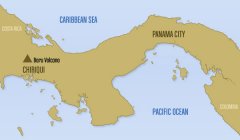
The growth advantage of Panamanian coffee beans the influence of the ecological environment of Pokuit Baru volcano on coffee beans
The Chiriki Heights where the Panamanian farm is located consists of two main areas: Boquete and Volcn-Candela. The picturesque town of Bockett has been in the tourist spotlight for the past decade because of its spring weather, cost of living and many activities in the area. However, the real essence of Boquete lies in the century-old tradition of coffee production: in fact, B.

Ethiopian Coffee Manor Flavor Taste introduces Ethiopian boutique coffee beans
Sustainable coffee culture Ethiopian coffee beans grow in close to the natural environment, after years of planting under the same growth conditions, Ethiopian coffee beans have gradually adapted to the environment here. More than 60% of coffee beans are grown in forests or semi-forests. The villages that grow coffee in large areas account for about the total amount of coffee produced in the country.

Ethiopian Coffee Manor Flavor description Taste characteristics introduction of varieties in Grinding area
Large-scale coffee-growing villages account for about 35% of the country's total coffee production. These coffee farms, which use a multi-tier coffee planting system, are carefully cared for. Coffee farmers do not use chemical fertilizers, but use fallen leaves and animal and plant debris to increase soil nutrition. In addition to coffee, farmers also frequently grow non-coffee crops. It even accounts for the total amount of coffee in the country.

Description of Flavor of High-quality Coffee beans in Ethiopian Coffee Variety producing area
Ethiopia has a unique flavor that is different from other flavors and provides customers all over the world with a wide range of taste choices. In the highlands of southwestern Ethiopia, the Kaffa, Sheka, Gera, Limu and Yayu Senri coffee ecosystems are considered the hometown of Arabica coffee. this

Flavor and taste characteristics of Ethiopian coffee manor introduce Ethiopian coffee varieties
Ethiopian coffee beans grow in close to the natural environment, after years of planting under the same growth conditions, Ethiopian coffee beans have gradually adapted to the environment here. More than 60% of coffee beans are grown in forests or semi-forests. Large-scale coffee-growing villages account for about 35% of the country's total coffee production. Many of these are used.

Introduction to the Fine Coffee Bean Flavor and Taste Manor in Ethiopia
Ethiopian coffee beans grow in close to the natural environment, after years of planting under the same growth conditions, Ethiopian coffee beans have gradually adapted to the environment here. More than 60% of coffee beans are grown in forests or semi-forests. Large-scale coffee-growing villages account for about 35% of the country's total coffee production. Many of these are used.

COE Brazil Coffee Estate| Meijing Manor| Coffee beans suitable for hand brewing
Professional coffee knowledge exchange More coffee bean information Please pay attention to coffee workshop (Weixin Official Accounts cafe_style) Product name: COE Brazil 2017 Sunlight Group #13 Fazenda Boa Vista Country: Brazil Production area: Minas Gerais Mantiqueira de Minas Treatment method: Sunlight Treatment method Natural Process Product species: Yellow Cardo Ai

Ethiopian Coffee Manor Culture introduces Flavor
Coffee Culture Coffee beans in Ethiopia grow in close to the natural environment. After years of planting under the same growth conditions, Ethiopian coffee beans have gradually adapted to the environment here. More than 60% of coffee beans are grown in forests or semi-forests. Large-scale coffee-growing villages account for about 35% of the country's total coffee production.

Introduction to the growing environment of Ethiopian coffee introduction to Yega Snow Coffee Manor
Ethiopian coffee beans grow in close to the natural environment, after years of planting under the same growth conditions, Ethiopian coffee beans have gradually adapted to the environment here. More than 60% of coffee beans are grown in forests or semi-forests. Large-scale coffee-growing villages account for about 35% of the country's total coffee production. Many of these are used.

Introduction to the characteristics of coffee flavor description and grinding degree in Shaqiso producing area of Ethiopia
Ethiopia has unique natural conditions suitable for growing all imaginable varieties of coffee. As a highland crop, Ethiopian coffee beans are mainly grown in areas between 1, 100 and 2300 meters above sea level, roughly distributed in southern Ethiopia. Deep soil, well drained soil, weakly acidic soil, laterite and soil are soft and contain

Ethiopian guji Gucci Coffee Flavor description treatment quality characteristics of taste grinding scale introduction
Ethiopian coffee beans say wolves migrated to what is now the mountains of North Africa during the last glacier about 100,000 years ago. As the glaciers retreated, they left the highland islands, the area above the tree line, where the wolves once outlined their ecological habitat. Today, Ethiopian wolf Canis simensis is only found in countries of the same name, and

Introduction to the story of Finca Eleta Ireta / Fox Manor in Santa Clara Coffee region of Panama
Professional coffee knowledge exchange more coffee bean information please follow the coffee workshop (Wechat official account cafe_style) Panamanian Coffee Manor-Santa Clara. Ireta (Fox) Manor Panama Santa Clara Eleta Estate SHB Manor Ireta Manor of Panama Coffee Tree. Jpg □ producing area: Santa Clara (Santa Clara) □ Manor: Ireta (Fox)

Ethiopian coffee origin coffee flavor
Ethiopia has unique and different flavors, providing customers all over the world with a wide range of taste choices. In the highlands of southwestern Ethiopia, the Kaffa, Sheka, Gera, Limu and Yayu Senri coffee ecosystems are considered to be Arabica coffee.